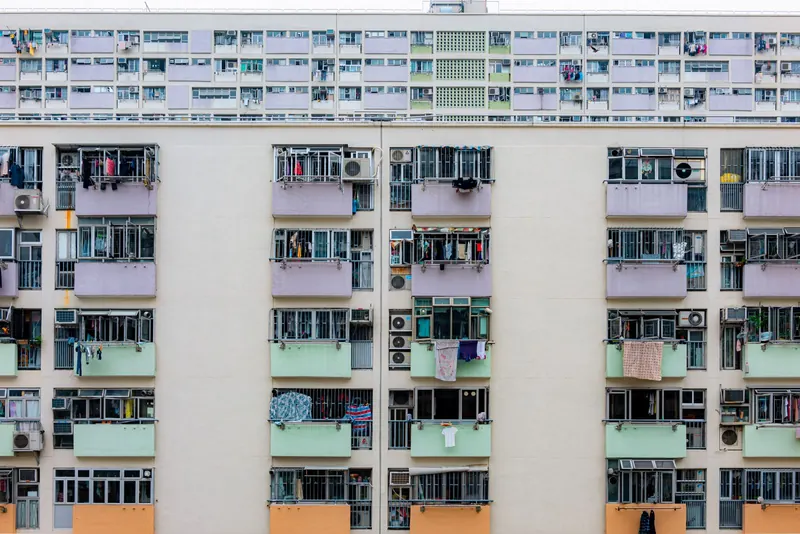
Apartment and Condo Mold Remediation
Apartment and condo mold remediation removes mold in multifamily units and works around shared walls, neighbors and building plumbing.
See apartment and condo mold remediationGet clear next steps for mold in a rental property in Bradbury. The plan should cover written notice, moisture repair, containment, cleaning, drying and tenant access.
This work identifies the moisture source, keeps the area contained, removes impacted materials and completes drying.
Rooms, material removal boundaries, cleaning, equipment and water repairs belong in the written work scope.
Remediation cannot settle tenant rights or landlord responsibility. Those obligations may vary based on state law and the rental agreement.
The project schedule covers removal tasks, cleaning, equipment use, site access and hidden growth.
Ask which party corrects the source and verifies dry conditions. Remaining moisture can allow mold to come back.
Choose an independent assessor for clearance testing rather than the company that performed removal.
Request details on protecting shared halls, ventilation systems and occupied spaces through containment.
Professional help may be appropriate for widespread growth, contaminated water or affected ventilation.
Remaining dampness may be behind recurring spots or smells. Look for damp areas before starting cleanup.
EPA guidelines say to dry water-damaged areas and items within 24 to 48 hours to prevent mold growth.
Do not run affected HVAC equipment because it could spread mold.
Hidden mold colonies may be indicated by stains, softened drywall or an odor.
Photograph visible growth without disturbing it or spreading spores.
Call (844) 352-3560A specific published price range for rental work is not available. The nearest data is for mold remediation generally. Fixr gives $1,500 to $9,000 as the typical national range. For areas beyond about 10 square feet, its professional rate runs from $10 through $30 for each square foot. Your rental cannot be quoted from these figures.
The figures are published national cost guide ranges, not results of a property visit. An on-site assessment determines the price for your property, and you should receive an explanation before the work begins.
Ask about cost: (844) 352-3560Policy terms, ownership and the moisture source determine coverage.
Under California's housing law, visible mold found by a health officer or code enforcement officer can make a rental substandard. Renters can contact their local health or code enforcement department to ask for an inspection. Moisture, notice, access and state law may affect who is responsible.
California's Toxic Mold Protection Act includes a landlord written-disclosure section (Health and Safety Code 26147). By its own wording it applies only after the state adopts mold exposure standards, and the state health department has said it could not set them. Your records should include photos, invoices, moisture readings, the work scope and clearance report.
If you rent, ask about testing, personal belongings and whether to move out. Work on the building could fall under another policy.
A property owner can ask about an insurance claim, mold sublimits and documentation.
The plan moves from inspection through removal, drying and clearance.
Use a moisture meter to check dampness. A thermal imaging camera cannot identify mold.
Work area containment can be formed with poly sheeting.
Plan tenant access and protective equipment before disturbing affected material.
An air scrubber and a HEPA vacuum capture particles while removal takes place.
Use damp cleaning on non-porous surfaces. Antimicrobial treatment is not a substitute for cleaning.
A dehumidifier and air movers help materials dry. Let readings direct repairs.
Air sampling with a stated method and purpose may be part of independent post-remediation verification.

Phone at any hour. Your call reaches a rental property mold remediation specialist who hears your concerns and explains the process ahead.
Removal becomes more complex with growth in several rooms, absorbent materials, air systems or contaminated water.
Mold can trigger allergy and asthma symptoms. Risk is higher for some people.
After sewage or contaminated water, EPA advises getting experienced help. The cleanup method must suit contamination.
To control spores, combine an air filtration device with negative air pressure and a containment barrier.
Can you clean it yourself? EPA says an area under about 10 square feet can often be cleaned by the occupant. Get professional help for larger spaces, mold in HVAC equipment or contaminated water.
Record belongings before work. Cleanable materials may remain, while porous moldy ones may have to go.

Timing depends on access, area size, removal, drying and moisture repair. Request the work sequence and times for updates.
Hidden growth or damp material may be signaled by a musty odor. Adding fragrance will not repair the moisture source.
Keep relative humidity under 60 percent and preferably between 30 and 50 percent, according to EPA guidance. Wet cavities also need repair.

The full rental property mold remediation guide covers what is cleaned or removed, odor and air quality work, and the rules that apply in your state.
Read the full rental property mold remediation guideLocal humidity and housing, along with access to your property, can influence mold cleanup planning, moisture control and containment.
The local renter share is 7 percent, so many mold concerns may involve a homeowner checking connected rooms and building materials rather than one isolated surface.
The median home in this community was built in 1969, so plumbing joints, roof penetrations, insulation, and lower level moisture should be checked when mold appears.
The 98 percent single-family share makes whole-property moisture tracing useful, including the attic, lower level, wall cavities, and areas around gutters or grading.
A 14 percent share of seniors living alone means some households may benefit from help checking attics, crawl spaces, or rooms that are rarely entered.
During your call, ask whether mold cleanup is available in surrounding communities and ZIP codes.
Apartment and condo mold remediation removes mold in multifamily units and works around shared walls, neighbors and building plumbing.
See apartment and condo mold remediation
Residential mold removal addresses growth in condos and houses, whether one room or multiple spaces need attention from a local crew.
See residential mold removal
This option begins with a mold inspection to identify where growth is present, followed by removal and cleaning.
See mold inspection and removal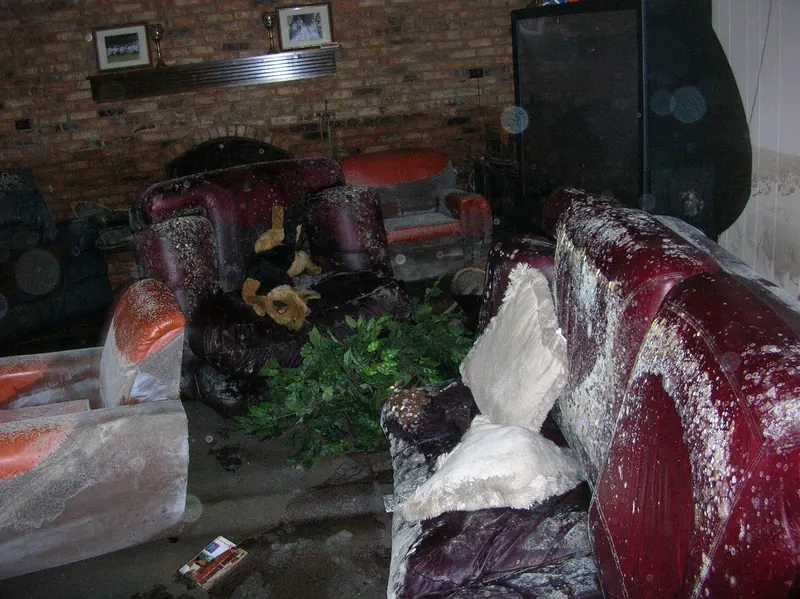
Water damage mold cleanup clears growth left by flooding or a leak, then dries the building materials to prevent a return.
See water damage mold cleanup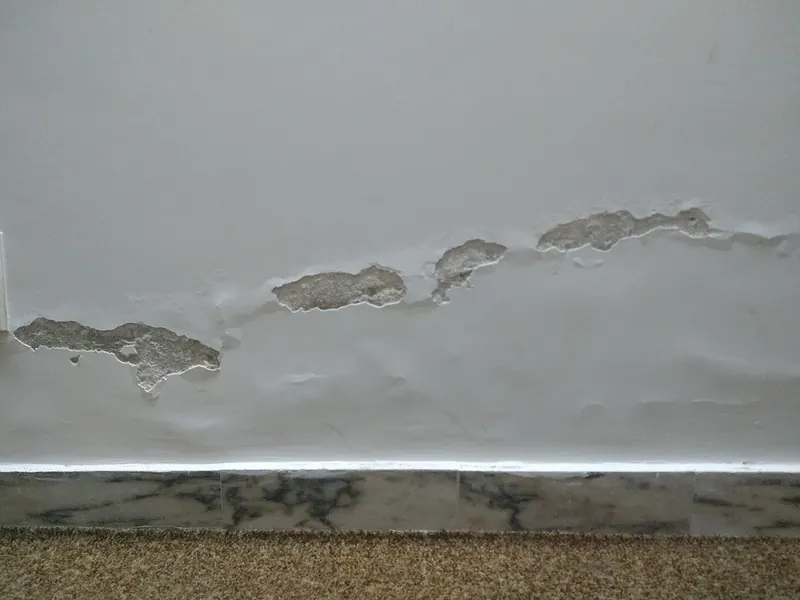
Hidden mold remediation finds and removes mold growing behind walls, under floors and above ceilings where you cannot see it.
See hidden mold remediation (behind walls)
Damaged wallboard is cut away during drywall mold removal, the interior framing is cleaned and new material replaces what was removed.
See wall and drywall mold removal
HVAC and air duct mold removal clears growth from vents, coils, drain pans and ducts to stop its spread through the system.
See HVAC and air duct mold removal
This page explains what affects mold removal cost, such as the size of the area, the materials involved and any repairs needed.
See mold removal costResponsibility may depend on the moisture source, lease, notice, maintenance history and local law. The tenant may have to give notice and access, while the owner may direct building repairs. For a dispute, save your records and promptly get legal guidance from a local source.
The decision varies with ventilation, containment, use of essential spaces and each person present. Ask which spaces will close and how airflow is controlled. People with weak immune systems, asthma or lung disease are more at risk around mold before work begins there.
After photographing the area, give written notice without disturbing it by scraping or dry brushing. When safe, shut off the source of an active leak. Do not run affected HVAC equipment. Ask for the moisture repair, inspection plan, work scope and access instructions during the work.
Responsibility depends on the moisture source, lease, state law, notice and access for repair. Send written notice, keep dated photos and save replies. Under California's housing law, visible mold found by a health officer or code enforcement officer can make a rental substandard. Renters can contact their local health or code enforcement department to ask for an inspection. Remediation records conditions and completed work, but it does not settle a legal dispute in your area.
Send a dated maintenance request to the landlord or property manager. Name the location, visible condition, odor and possible leak. Attach photos, keep a copy, save replies and record the access offered for inspection and repair in the property record.
Rental and habitability rules vary by location and condition. The California Department of Public Health (CDPH) Air Quality Section publishes mold and dampness guidance and a mold FAQ. CDPH says visible mold, dampness, and mold odor are unhealthy and should be fixed, and that routine mold testing is not needed when mold is visible. Report the moisture and mold in writing. Contact the appropriate housing or consumer office before deciding your legal duties, and ask about notice requirements, current tenant rights and available options.
For calm and useful guidance about rental property mold remediation, you can reach someone by phone 24 hours a day.